
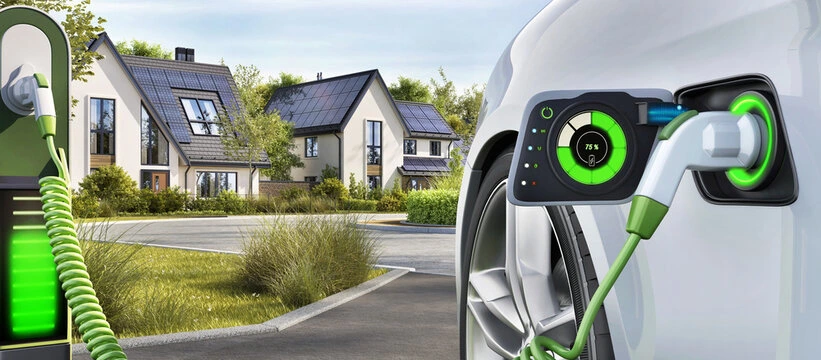
The process of transitioning to electric vehicles (EVs) in the United Kingdom (UK) is gaining momentum more than ever. As fuel prices increase, and more people start to become environmentally conscious, and the UK government pledges to stop the sale of new petrol and diesel vehicles by 2035, more drivers have begun switching to electric cars.Home EV chargingin the UK has become an important issue amongst both home owners, renters, landlords, and businesses as EV penetrates the home market.
To the majority of EV owners, home charging is the most convenient, cheaper, and available method of maintaining power in their car. This detailed guide covers all you need to know to charge your vehicle at home in the United Kingdom such as the type of chargers, installation, cost, smart tariffs, government grants, safety standards, and trends.
This guide will allow you to make the correct choice and get the full picture of home electric vehicle charging in the UK whether you already have an electric vehicle or are just intending to purchase one.
What Is Home EV Charging in the UK?
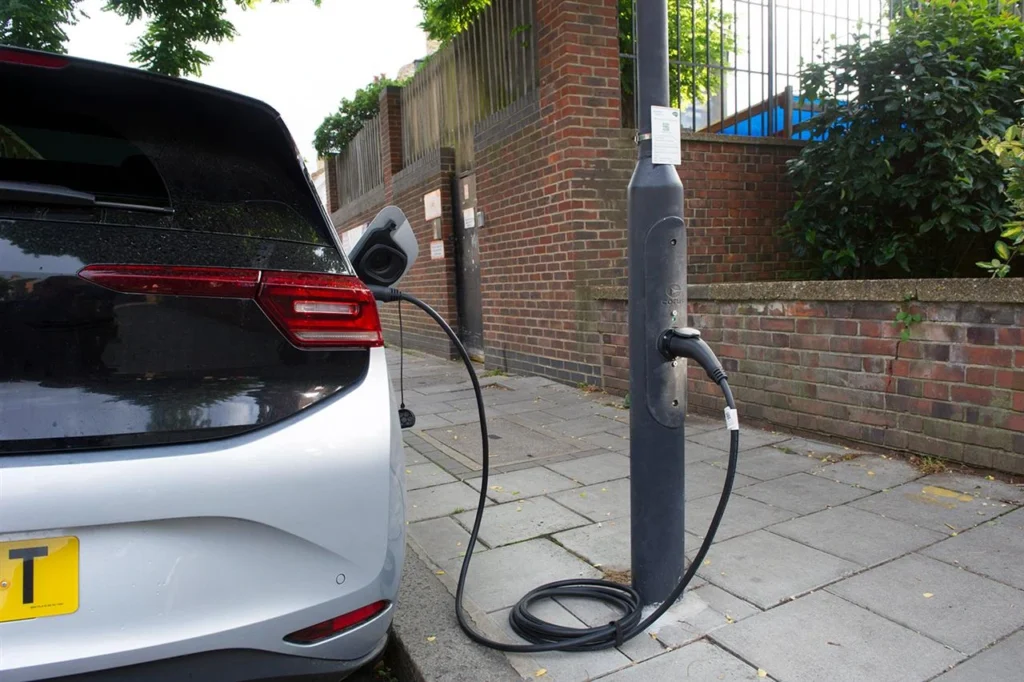
Home EV charging is the term that is used to describe the process of charging an electric vehicle by means of electricity provided at a home. Rather than using public charging stations only, EV owners place an exclusive home EV charger or simply use a socket of a regular plug to charge their car, typically overnight.
In the UK, most home EV charging uses:
- Single phase electricity (230V)
- 7kW smart EV chargers as the standard solution
Charging at home allows drivers to wake up every morning with a fully charged vehicle, making EV ownership simpler and more practical than traditional fuel-powered cars.
Why Home EV Charging Is Essential for UK Drivers
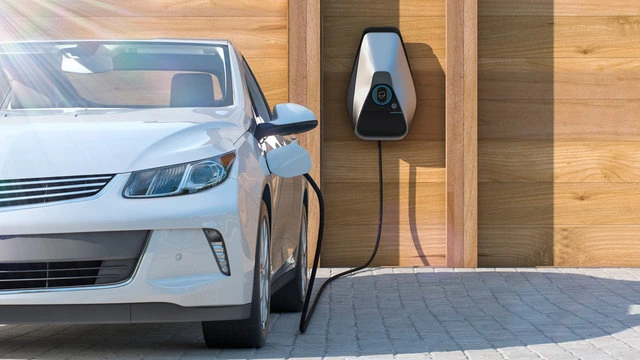
Although the UK has an expanding public charging network, home EV charging remains the primary method for most drivers, accounting for more than 80% of all EV charging.
Key Benefits of Home EV Charging in the UK
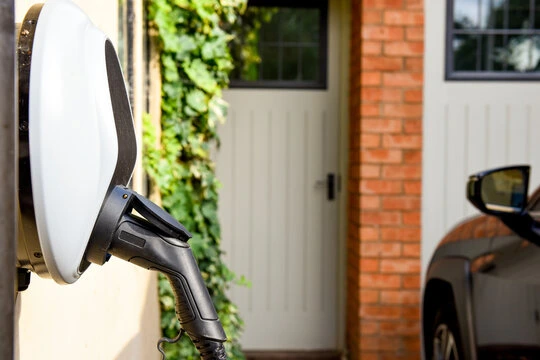
1. Convenience
You can charge your electric vehicle while sleeping, working from home, or relaxing. There is no need to queue at public chargers or plan detours.
2. Lower Charging Costs
Home charging is significantly cheaper than public rapid chargers, especially when combined with EV-specific electricity tariffs.
3. Reliable Access
Your charger is always available, unlike public stations that may be occupied or out of service.
4. Battery Health
Slow, consistent charging at home is gentler on EV batteries than frequent rapid charging.
5. Increased Property Value
Installing a home EV charger can increase your property’s attractiveness and future resale value.
Types of Home EV Charging in the UK
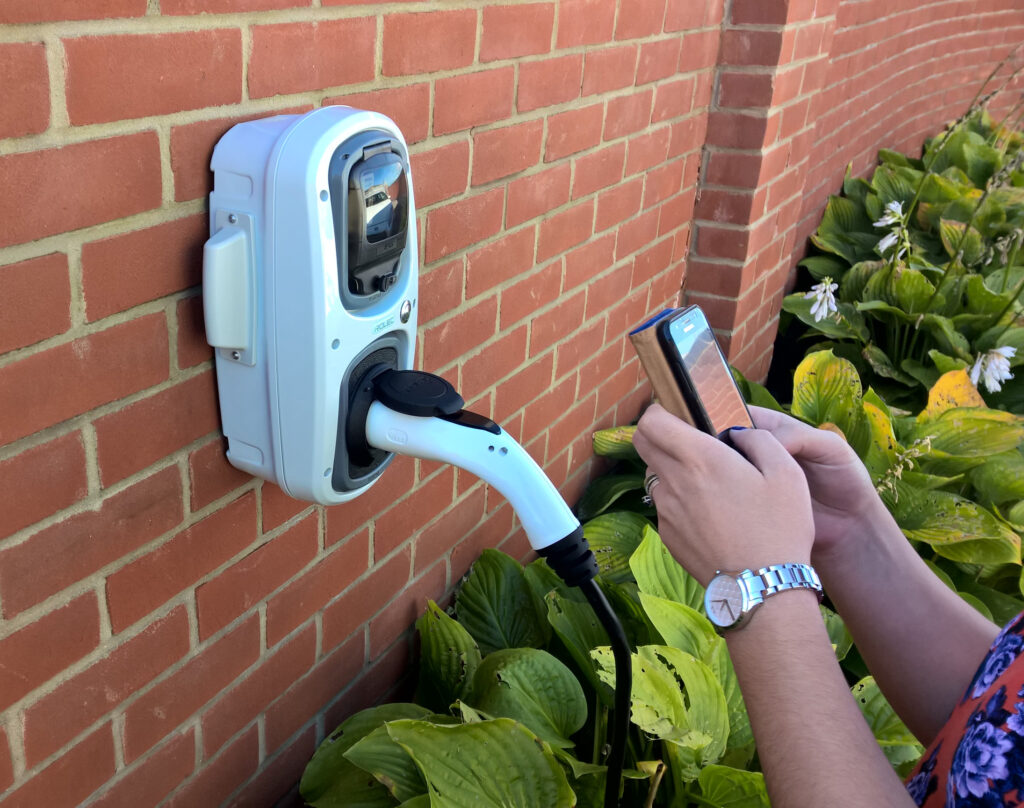
Understanding charger types is essential when choosing the right setup for your home.
1. 3-Pin Plug Charging (UK Level 1)
This method uses a standard UK three-pin socket.
Charging speed:
- Around 2–3 miles of range per hour
Advantages:
- No installation required
- Useful as a backup or emergency option
Disadvantages:
- Extremely slow
- Not recommended for daily use
- Higher risk of overheating sockets if used continuously
Most UK EV experts advise against relying on 3-pin charging long-term.
2. 7kW Home EV Charger (Most Popular in the UK)
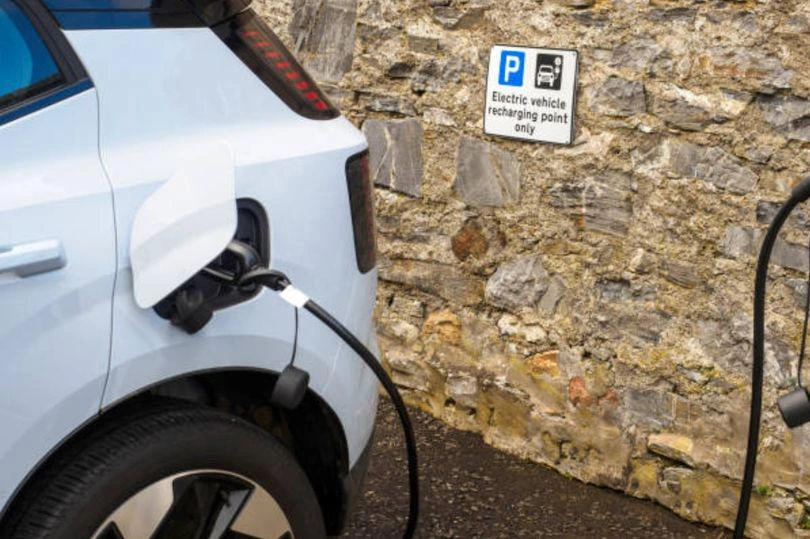
The 7kW EV charger is the most common and practical option for UK homes.
Charging speed:
- Around 20–30 miles of range per hour
- Fully charges most EVs in 6–8 hours
Key features:
- Compatible with single-phase electricity
- Ideal for overnight charging
- Suitable for the majority of UK households
This charger type offers the best balance between speed, cost, and practicality.
3. 11kW and 22kW Home EV Chargers

These faster chargers require three-phase electricity, which is uncommon in UK residential properties.
Charging speed:
- Faster than 7kW chargers
- Depends on vehicle capability
Best suited for:
- Commercial premises
- Large homes with three-phase supply
For most UK homes, a 7kW charger is more than sufficient.
Smart Home EV Charging in the UK
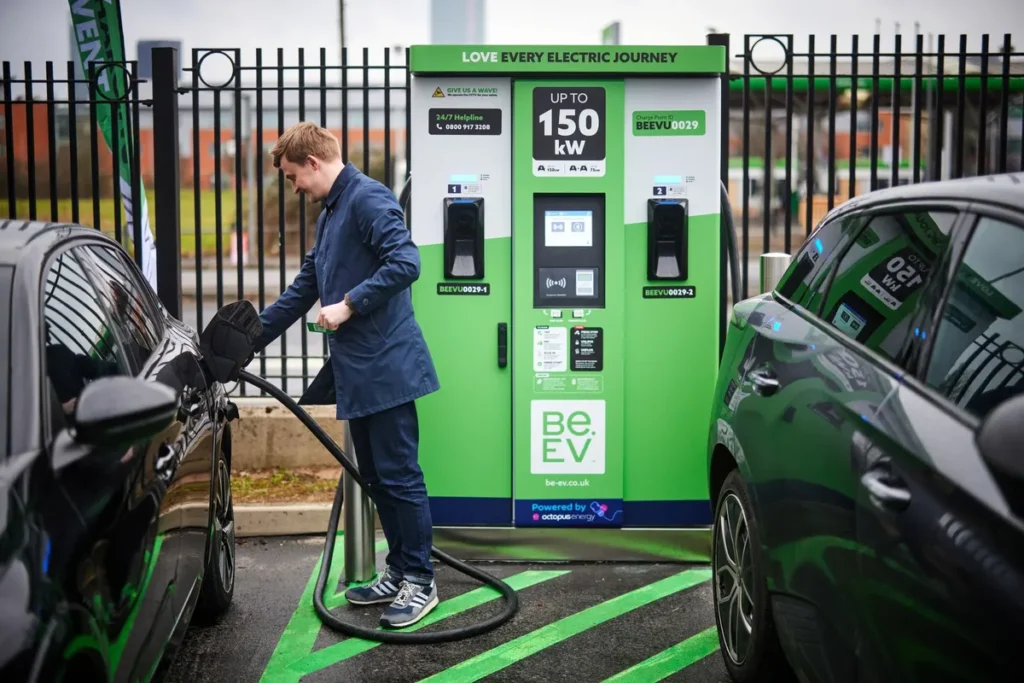
Under UK regulations, all new home EV chargers must be smart-enabled.
What Is a Smart EV Charger?
A smart EV charger connects to the internet and allows users to:
- Schedule charging during off-peak hours
- Monitor electricity usage
- Control charging via mobile apps
- Integrate with solar panels and home energy systems
Benefits of Smart Home EV Charging
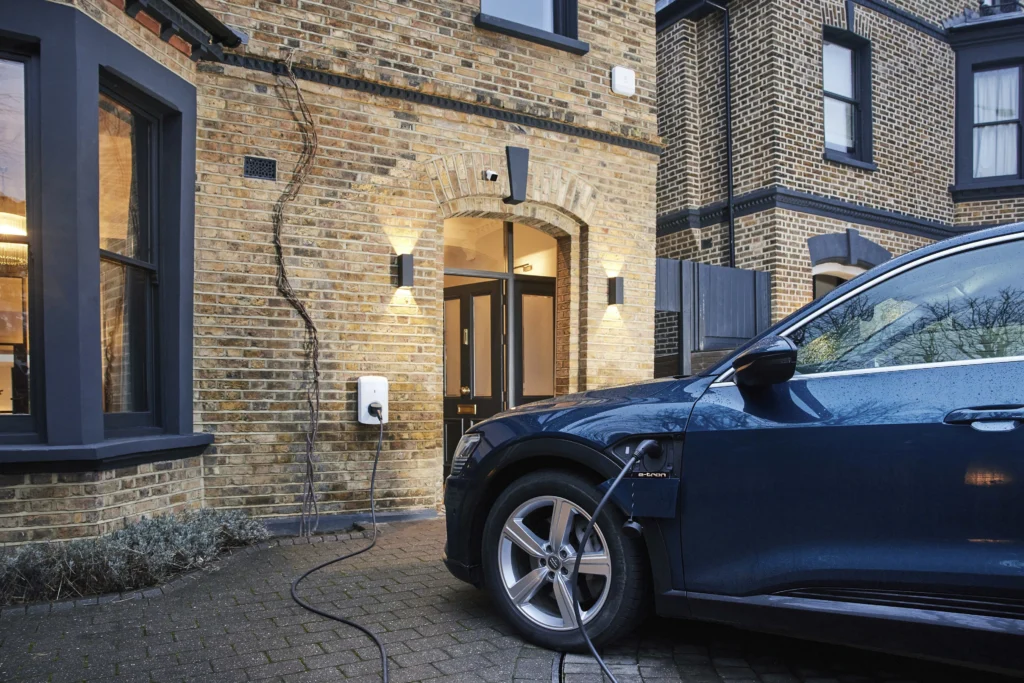
- Reduced electricity bills
- Automatic off-peak charging
- Grid load balancing
- Future-proof compliance with UK regulations
Popular Smart EV Chargers in the UK
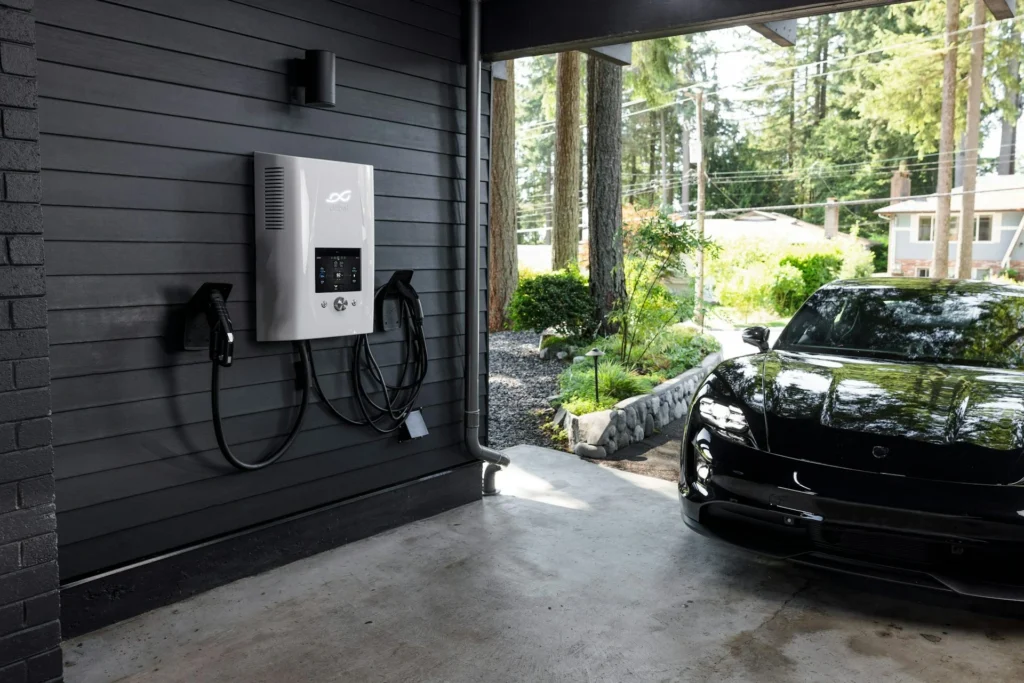
Some of the most widely used smart chargers include:
- Zappi
- Ohme
- Wallbox
- Hypervolt
- Andersen
These chargers are designed specifically for UK homes and electricity systems.
Home EV Charger Installation in the UK
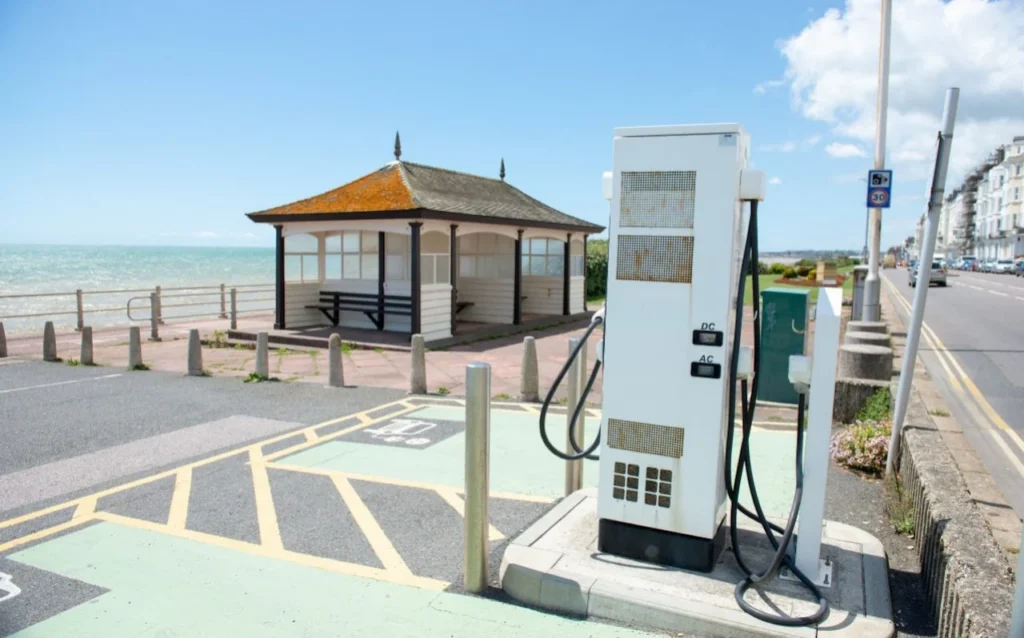
Installing a home EV charger requires professional assessment and certified installation.
Electrical Requirements for UK Homes
Before installation, an electrician will assess:
- Consumer unit capacity
- Earthing system (PME protection)
- Cable routing distance
- Available power supply
- Internet connectivity for smart features
Installations must comply with BS 7671 (IET Wiring Regulations).
Certified Installers Only
In the UK, home EV chargers must be installed by:
- OZEV-approved installers
- NICEIC or NAPIT registered electricians
DIY installation is not permitted and may invalidate warranties and insurance.
Cost of Home EV Charging in the UK
Cost of a Home EV Charger
| Charger Type | Average Cost |
| 7kW EV Charger | £450 – £900 |
| Smart EV Charger | £600 – £1,200 |
Installation Costs
| Installation Type | Typical Cost |
| Standard installation | £300 – £600 |
| Complex installation | £800 – £1,500 |
Factors affecting cost include cable length, consumer unit upgrades, and ground works.
Monthly Home EV Charging Cost in the UK
The cost of charging at home depends on:
- Electricity tariff
- Battery size
- Mileage driven
Average monthly cost:
- £25 – £55 for most UK EV drivers
Compared to petrol or diesel, home EV charging can reduce fuel costs by up to 70%.
Best Electricity Tariffs for Home EV Charging in the UK
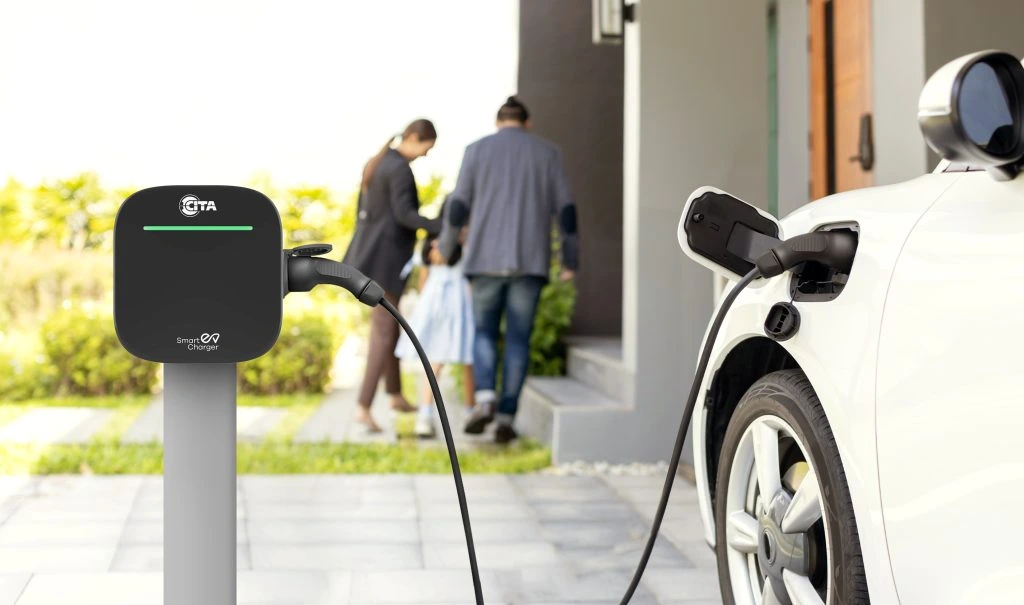
EV-specific tariffs offer cheaper electricity during off-peak hours.
Popular UK EV Tariffs
- Octopus Go
- Intelligent Octopus
- EDF GoElectric
- British Gas EV tariff
Off-peak rates can be as low as 7–10p per kWh, making overnight charging extremely affordable.
UK Government Grants for Home EV Charging
OZEV EV Chargepoint Grant
The Office for Zero Emission Vehicles (OZEV) offers financial support for eligible households.
Grant amount:
- Up to £340 per installation
Who is eligible?
- Renters
- Flat owners
- Landlords
- Social housing residents
Detached homeowners are no longer eligible but still benefit from long-term savings.
Home EV Charging with Solar Panels in the UK
Solar EV charging is becoming increasingly popular.
Benefits of Solar-Powered Home EV Charging
- Free renewable electricity
- Reduced reliance on the grid
- Lower energy bills
- Reduced carbon emissions
Smart chargers like Zappi prioritise solar energy automatically.
Safety Standards for Home EV Charging in the UK
UK safety regulations require:
- RCD protection
- Surge protection
- PEN fault detection
- Weatherproof outdoor enclosures
Always use UKCA-certified EV chargers installed by professionals.
Home EV Charging for Flats and Apartments in the UK
Charging solutions for flats include:
- Shared charging systems
- Dedicated parking bay chargers
- Load-managed charging networks
UK “Right to Charge” initiatives are improving access for renters and leaseholders.
Environmental Benefits of Home EV Charging
Charging at home supports the UK’s environmental goals by:
- Reducing greenhouse gas emissions
- Lowering air pollution
- Supporting renewable energy use
When combined with green tariffs or solar panels, home EV charging becomes nearly carbon-neutral.
Future of Home EV Charging in the UK
Key Trends
- Vehicle to Grid (V2G) technology
- Wireless home EV charging
- AI-driven smart energy management
- Greater integration with renewable energy
The UK is positioned as a leader in smart EV charging innovation.
Frequently Asked Questions (UK)
How long does it take to charge an EV at home in the UK?
With a 7kW charger, most EVs charge fully in 6–8 hours.
Is home EV charging cheaper than public charging?
Yes, especially when using off-peak EV tariffs.
Can I install a home EV charger myself?
No, installation must be carried out by a certified installer.
Do smart chargers really save money?
Yes, by automatically charging during cheaper electricity periods.
Is home EV charging safe?
Yes, when installed according to UK regulations.
Conclusion: Is Home EV Charging Worth It in the UK?
Home EV charging is not a luxury in the UK any more it is a viable, affordable, and future-oriented necessity of electric vehicles owners. With a closer approach to a petrol and diesel ban in the country, which is projected to take place in 2035, a reliable home charging solution will ensure drivers control their energy consumption, expenses, and comfort in their daily lives.
With a 7kW smart home EV charger installed, the households in the UK will be able to experience affordable overnight charging, enjoy the benefits of battery-specific electricity tariffs, and save a lot of money on fuel expenses than petrol or diesel. Modern home EV chargers can also be used to balance their grid demand, promote renewable energy, and prepare homes to future technologies, like vehicle-to-grid (V2G) charging, since smart charging is now a requirement.
Even though it has high initial expense, home EV charging is a prudent investment due to the long-term savings and enhanced driving experience, as well as the environmental effects. As a homeowner, rentier or landlord, proper installation of a professionally fitted and compliant EV charger makes you safe, efficient, and at ease.
Succinctly, electric vehicle charging in the home is the most affordable and comfortable method of owning and operating an electric vehicle in the UK, as it is a necessary measure towards the cleaner transport and a better and more sustainable future.
